Building climate resilience with hyperlocal weather forecasts

Good decisions require good data. Nearly all climate resilience and adaptation activities require weather observations and forecasts. We provide point-based weather forecasts wherever you install a device to capture microclimate variations. These forecasts power early warnings, climate-smart agriculture, and smart forests--all delivered from our platform.

Hyperlocal, multi-hazard early warnings

Our platform is a complete hyperlocal MHEWS, with both early warning (forecast) and early detection (observation) capability. We ensure communities can effectively prepare and respond to multiple extreme weather events, including flooding, drought, extreme heat, wildfire, air pollution, and rough seas.

Unlike top-down systems, our hyperlocal approach produces tangible warnings that are easy to act on. These warnings are aligned to the needs of vulnerable groups and the infrastructure they are protecting. For flooding, we use time-to-hazard in minutes instead of mm/hour of rain.

We work with local partners to ensure messages align with target groups and meet quality levels necessary to build trust and participation.
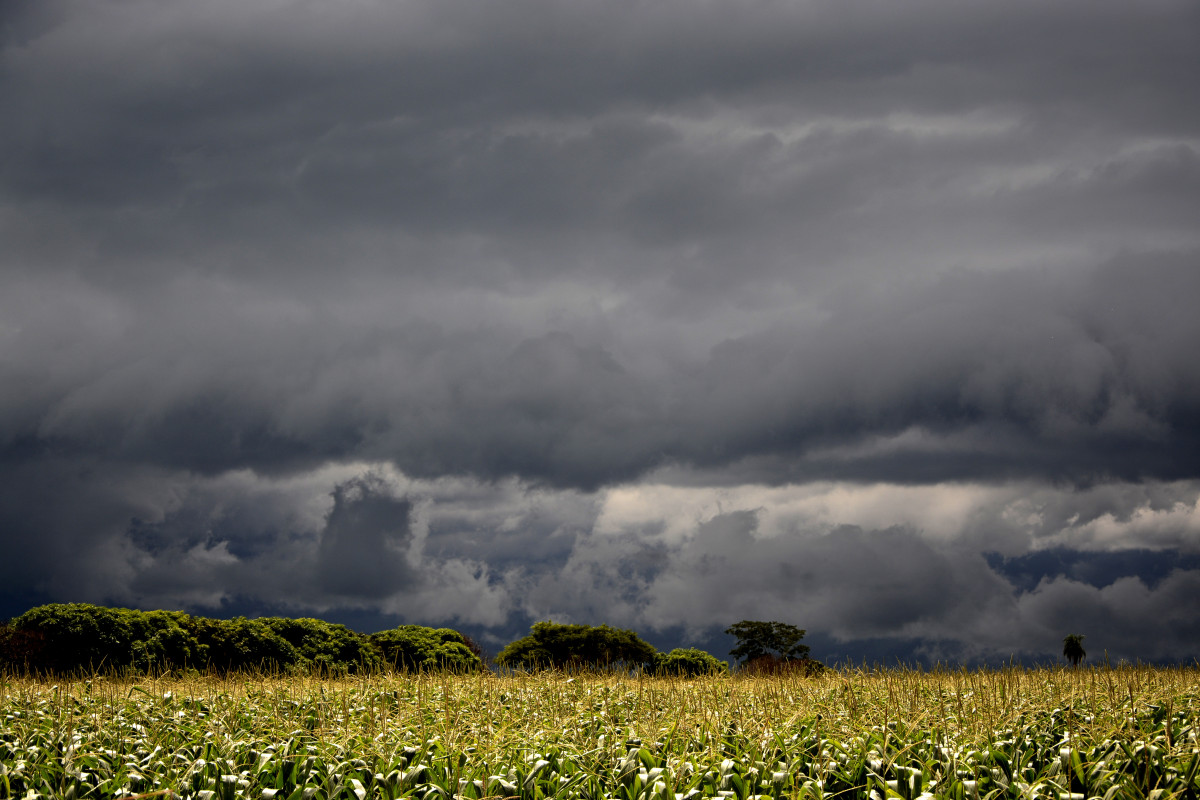
Know when to prepare for a hazard with early warnings
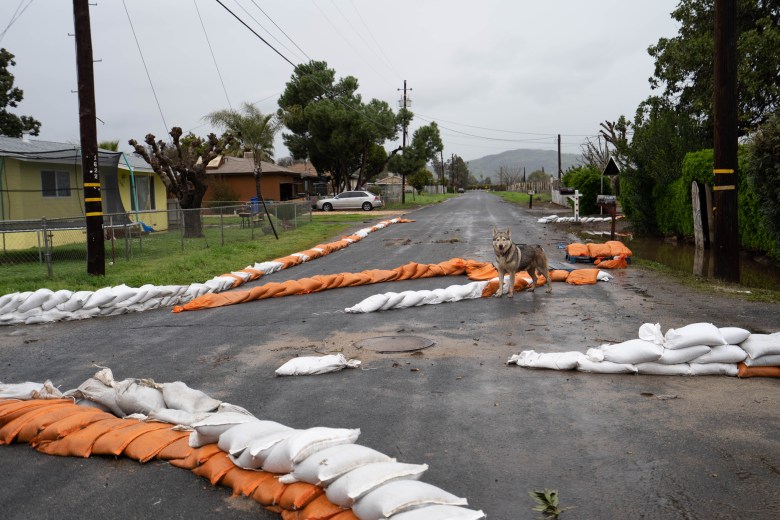
Mitigate risk with targeted guidance
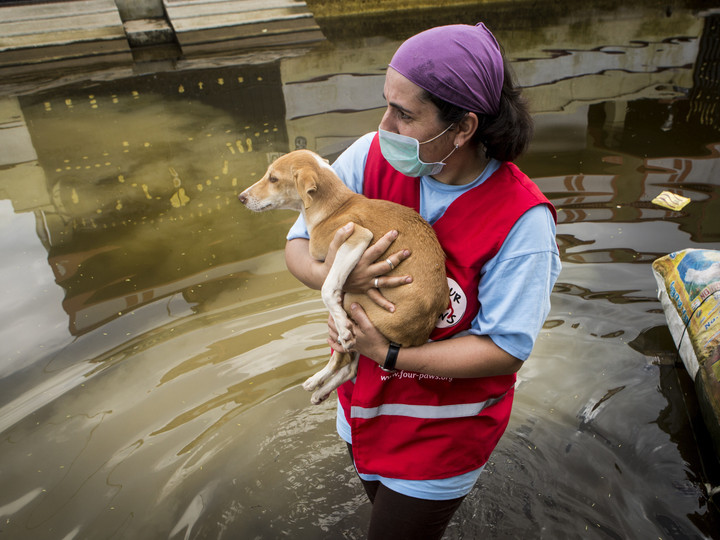
Know when to act with early detections
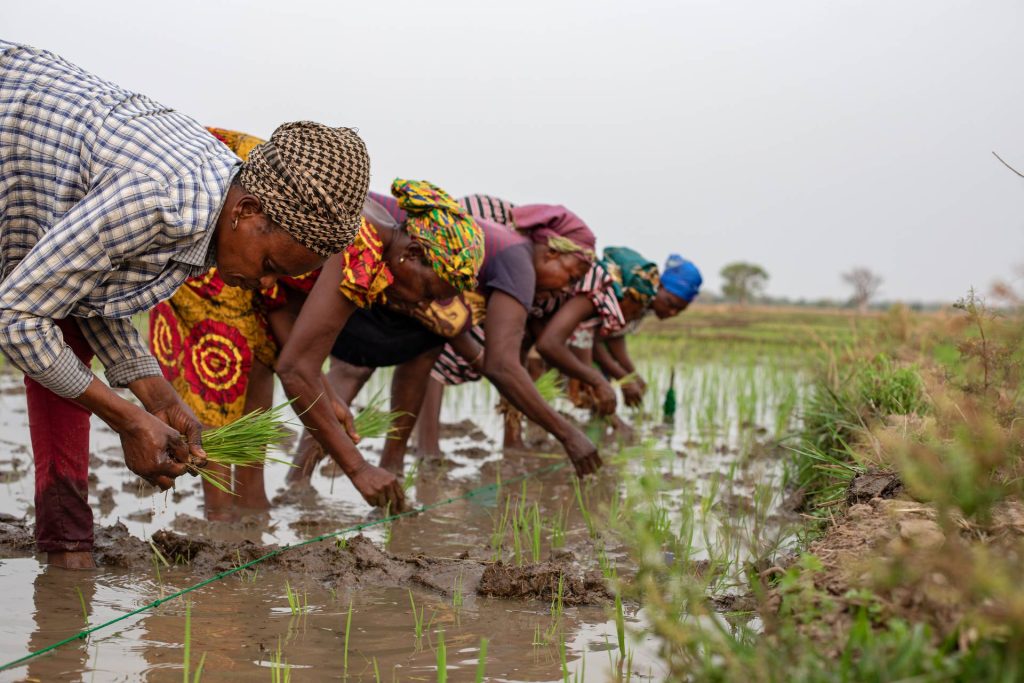
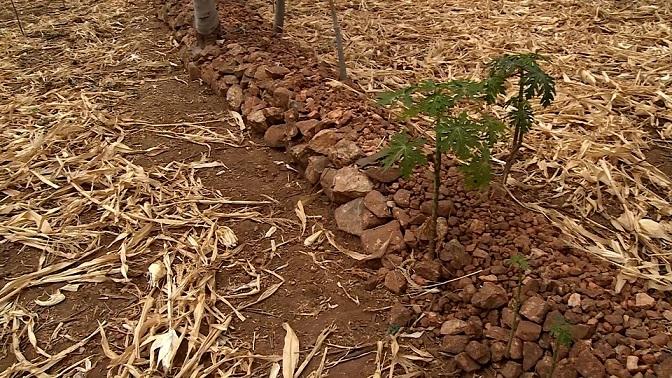
Climate-smart agriculture

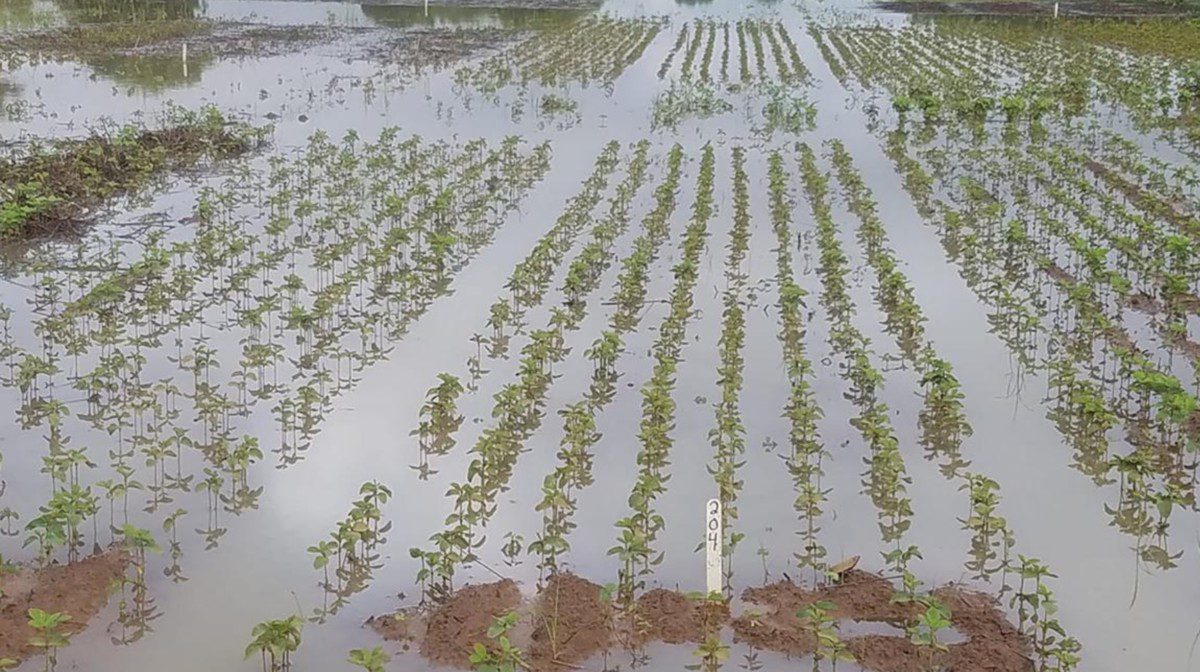
We build on hyperlocal forecasts and early warnings to provide clear agronomic guidance to farmers. Seasonal forecasts help farmers plan their crops, while medium-range forecasts help them make day-to-day decisions. Early warnings and early detection for flooding and drought reduce impact of extreme weather on crops to increase food security and reduce poverty.

Know what to sow, when to sow, and when to harvest

Know exposure to seasonal weather risks

Prepare for and mitigate impact of extreme weather

Smart forests

Forest management is complex. It requires balancing the needs of a diverse group of fauna and flora. Smart forests are meant to simplify this daunting task by providing in-situ, real-time data to better understand the dynamics of a living forest.

Our approach to smart forests marries physical and remote sensing with biodiversity inventories to make better management decisions. Whether for conservation or restoration, site-specific, longitudinal data is critical to understanding and predicting the impact of our actions on the environment.

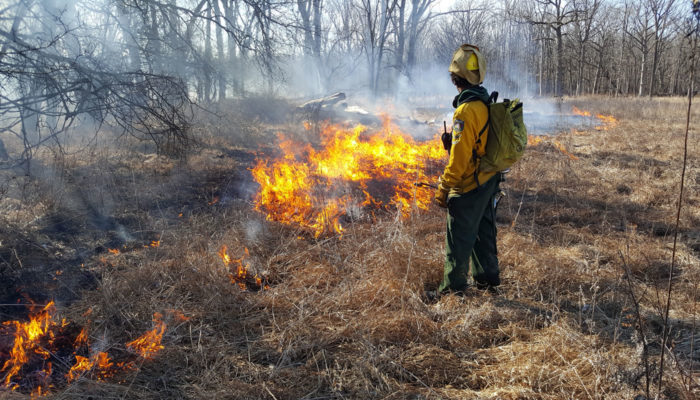
Optimize prescribed burns

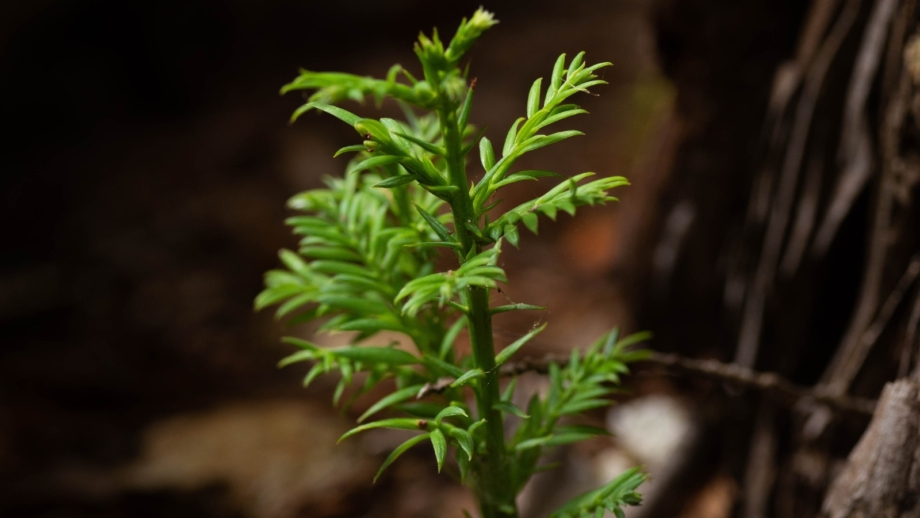
Accelerate restoration

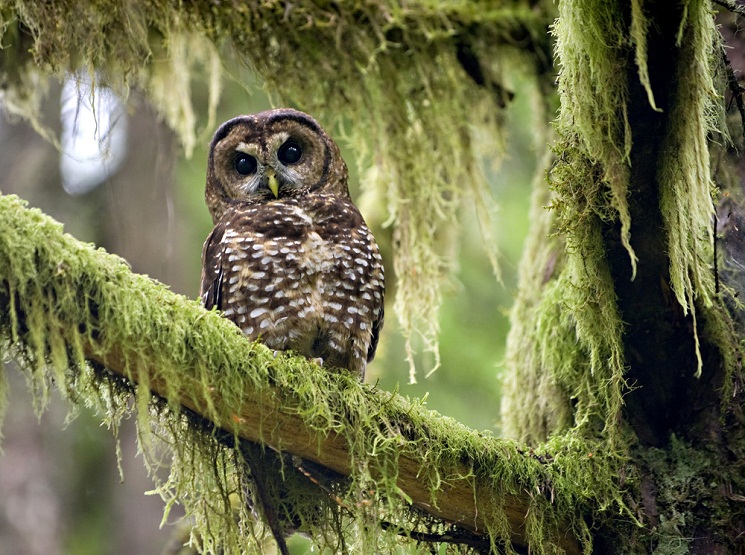
Monitor conservation